

 Andrea Nagel
The beauty industry continues to evolve at every level—from heritage brands reinventing themselves through creator culture, to corporate restructurings designed for speed, to retail expansion strategies and the global rise of K-beauty.
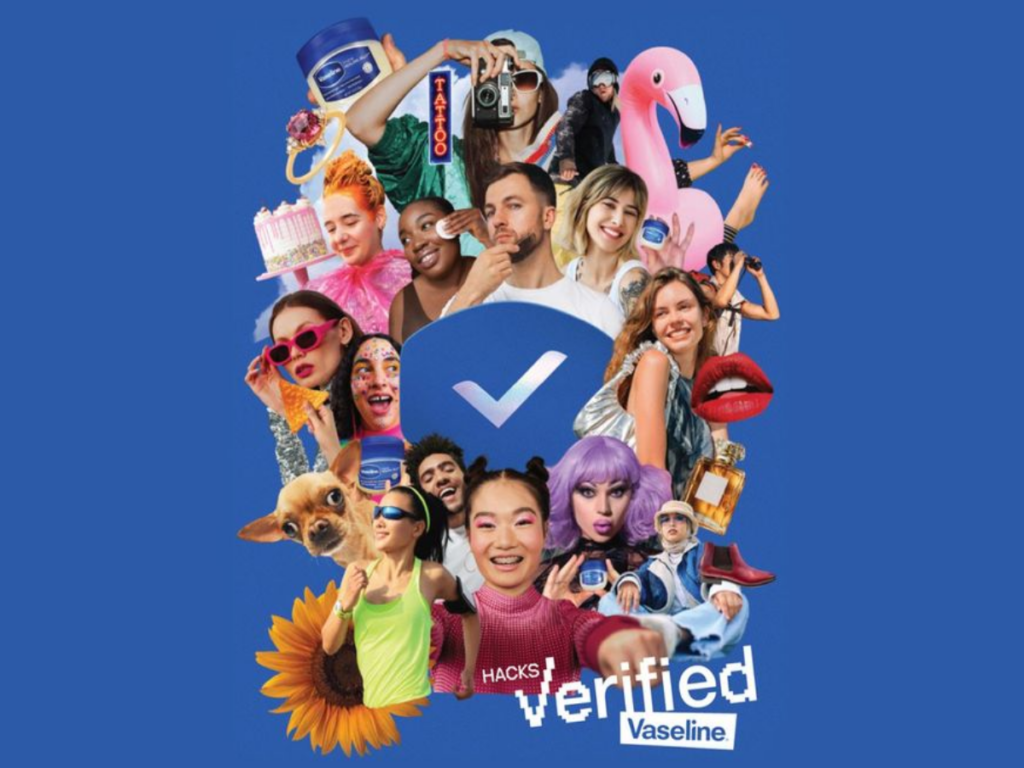
Vaseline, a 155-year-old brand, has been revitalized by Unilever’s marketing strategy that leverages creator-driven innovation. The brand’s leadership recognized that consumers use Vaseline in diverse ways, prompting a shift to community-led product relevance and cultural flexibility. This approach demonstrates how legacy brands can remain relevant by embracing consumer creativity and feedback. (Business Insider)
George E. Johnson, a hair care magnate who rose from a sharecropper’s cabin to found, with his wife, Joan, what was said to be the first Black-owned company listed on a major American stock exchange, and who made a fortune on products like Ultra Sheen and Afro Sheen, died on Monday at his home in Chicago. He was 99. His death was confirmed by his second wife, Madeline Murphy Rabb, who said the cause was respiratory illness. (The New York Times)
As brands rethink how they connect with consumers, companies are also reevaluating how they’re structured to move faster. Coty Inc. announced major organizational changes to streamline decision-making and integrate sustainability, R&D, and supply chain functions. The new Coty.Curated strategy aims to accelerate innovation and market responsiveness, with leadership transitions in key roles. The company’s focus on clarity, accountability, and sustainability positions it for continued growth in both prestige and mass-market segments. (Morningstar)
While some companies are transforming internally, others are expanding their consumer reach through new retail partnerships. Charlotte Tilbury Beauty has launched in 31 Boots stores, making its luxury makeup, skin care, and fragrance more accessible. The partnership responds to strong consumer demand and emphasizes the enduring value of in-person retail experiences, personalized advice, and immersive beauty services. (Europe Says)
Meanwhile, global competitive dynamics continue to shift, with K-beauty strengthening its influence in one of the industry’s largest markets. Korean beauty brands captured nearly 40% of Amazon’s top 100 skin care products during Prime Day, with exports to the U.S. reaching record highs. The shift from China to the U.S. as the largest export market signals a new era for K-beauty, driven by innovation, price competitiveness, and celebrity influence. (MSN.com)
Unilever’s Vaseline Reinvention Through Creators
George E. Johnson, Who Built a Black Hair-Care Empire, Dies at 99
Coty Restructures Leadership and Operating Model
Charlotte Tilbury Beauty Expands in Boots Stores Across the UK