

 Gabriella Termine
Across health, technology, retail, and fragrance, the industry is entering a decisive era of reinvention.
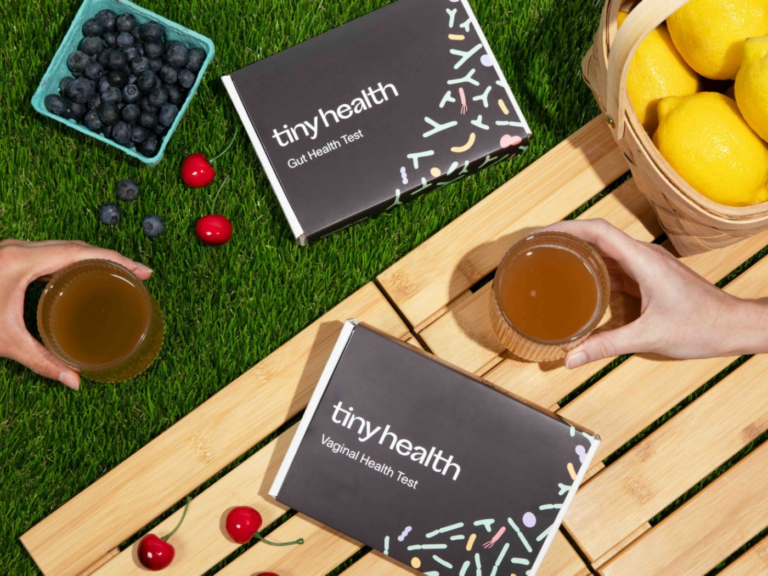
Women make up nearly half the global population, yet their health remains chronically underfunded, receiving just 5% of global research and development investment, according to the World Economic Forum, with most of that directed toward cancer. The opportunity, however, is vast. The McKinsey Health Institute estimates that closing the women’s health gap represents a $1 trillion market. As beauty converges with wellness and longevity, brands are uniquely positioned to respond. Companies like Oriflame highlight growing consumer demand for science-backed, life stage solutions. The future of beauty is no longer about anti-aging alone, it is about holistic, evidence-based well-being that supports women at every phase of life. (Global Cosmetic Industry)
This shift is further accelerated by technology. Artificial intelligence is reshaping beauty’s competitive landscape, giving emerging brands capabilities once reserved for global conglomerates. Just as the direct-to-consumer wave propelled Glossier and social media fueled Morphe, AI represents a new inflection point. At Beauty Independent’s Tech AI Summit, leaders revealed how AI now drives everything from personalized diagnostics and demand forecasting to financial modeling and customer service automation. Brands are producing cinematic-quality creative at a fraction of traditional costs and scaling with leaner, tech-enabled teams. The true advantage comes from embedding AI across workflows — turning data into faster decisions, deeper loyalty, and sustainable growth in an increasingly competitive market. (Beauty Independent)
Meanwhile, the retail experience itself is being reimagined. After nearly two years in development, Christian Dior Couture unveiled the Dior Bamboo Pavilion in Tokyo, a concept store that blurs the lines between retail, art, and cultural tribute. Building on earlier experiential outposts in Seoul and Bangkok, the Daikanyama space integrates the work of about 20 Japanese artists and artisans, from washi paper installations to bamboo fixtures and a reimagined tatami aesthetic. A landscaped garden by Seijun Nishihata and a café collaboration with Michelin-starred chef Anne-Sophie Pic deepen the immersion. More than a boutique, the pavilion underscores Dior’s decades-long dialogue with Japan, positioning luxury retail as a curated, cross-cultural experience. (WWD)
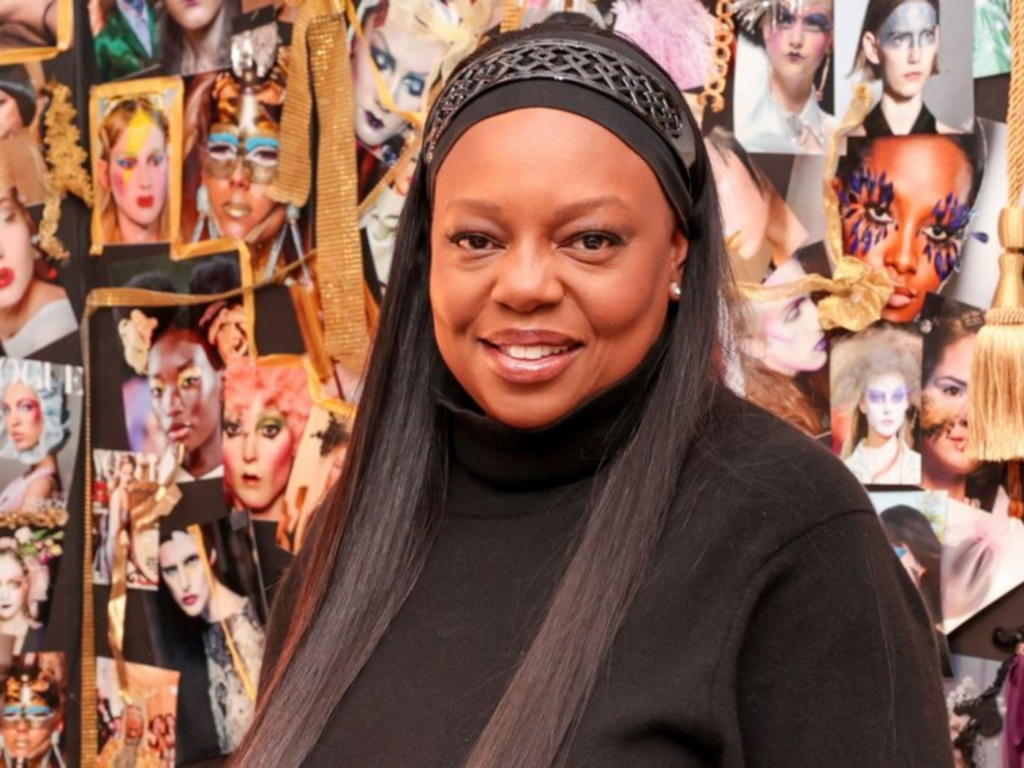
At the same time, brand resilience remains a central focus. A new chapter is unfolding for Pat McGrath Labs. Weeks after filing for Chapter 11 bankruptcy, the company secured a $30 million investment from GDA Luma, including $10 million in debtor-in-possession financing and $20 million in post-emergence working capital to stabilize operations and support restructuring. Founder Pat McGrath will transition from Chief Executive to Chief Creative Officer, maintaining significant ownership and creative control. Once valued at over $1 billion following investment from Eurazeo Brands, the brand now seeks to pair financial discipline with artistic leadership. The deal signals not an end, but a recalibration designed to restore momentum and long-term growth. (Allure)
Innovation continues to reshape category expectations. Los Angeles-based Noyz is reinventing how fragrance interacts with skin through Mylk de Parfums, an alcohol-free fine fragrance milk designed for longevity and hydration. Infused with hyaluronic acid, the lightweight formula absorbs like a body serum, anchoring fragrance rather than letting it evaporate. The brand claims performance comparable to an eau de parfum, with far greater intensity than traditional scented lotions. Launching at Ulta Beauty, the collection debuts in three scents, including Only Human, a warm gourmand layered with vanilla bean, ambroxan, and Moroccan cedarwood, positioning fragrance as both ritual and treatment. (Beauty News Daily)
Meanwhile, LVMH is considering the sale of heritage makeup brand Make Up For Ever as part of a broader restructuring of its beauty portfolio, reflecting a strategic shift toward high-performing luxury assets like Dior fragrances and lipsticks. Acquired in 1999, Make Up For Ever has struggled for years, recording losses and seeing limited investment, while competition from indie brands and weakening global makeup demand has intensified. The group is also weighing divestments of skincare brand Fresh and its stake in Fenty Beauty. LVMH’s move comes amid broader portfolio optimization, including selective M&A and the departure of beauty division head Stéphane Rinderknech. The challenge lies in selling legacy brands in a contracting market while preserving the strength of its luxury-focused operations. (Beauty Matter)
Looking ahead, the industry faces an unprecedented pace of change, where hesitation can quickly lead to irrelevance. Digital channels now account for 45% of global sales, and AI-driven personalization boosts conversion rates by up to 35%, while physical retail must deliver meaningful, emotionally engaging experiences to remain relevant. Talent has emerged as a critical differentiator, with six in 10 beauty professionals willing to leave for better culture, purpose alignment, or growth opportunities. Consumers are equally discerning, favoring brands that demonstrate authentic sustainability and social responsibility. Success will hinge on decisive leadership, speed of execution, and investment in people, with brands that cultivate empowered teams poised to thrive, while cautious or stagnant players risk consolidation or disappearance. (CEW)
Finally, the CEW Achiever Awards luncheon has become a defining moment in the beauty industry, celebrating leadership, resilience, and ambition. Now in its 51st year, the event honors female C-suite executives whose careers often began in entry-level roles and evolved through determination and perseverance. Attendees—whether newcomers or seasoned leaders—gain inspiration from candid stories about navigating workplace challenges, making career pivots, and balancing professional and personal responsibilities. The luncheon also fosters reflection on one’s own path and provides a platform for mentorship across generations, with many returning each year alongside colleagues and family. In 2026, the awards will recognize leaders including Unilever’s Kathleen Dunlop, e.l.f. Beauty’s Mandy Fields, L’Oreal’s Stephanie Kramer, Procter & Gamble’s SK Lee, Nest’s Laura Slatkin, and Milani’s Mary van Praag, alongside special honorees Jo Horgan, Kecia Steelman, and Carlotta Jacobson, celebrating corporate empowerment, retail leadership, and industry catalysts, respectively. (CEW)
To read more about these articles, please click the headlines below.
Can Beauty Bridge the Gap Between Women and Wellness?
Why AI May Be Beauty’s Great Equalizer
Dior Unveils Latest Store Concept in Tokyo: Bamboo Pavilion
Pat McGrath Is Not Going Anywhere After Securing New Funding for Her Brand
EXCLUSIVE: LVMH Explores Sale of Make Up For Ever in Beauty Restructuring
Beekman 1802’s Jill Scalamandre on Today’s Retail Reality: Adapt Fast or Fall Behind
The Power of Recognition: CEW’s Achiever Awards Marks 51 Years of Honoring Industry Trailblazers