

 Andrea Nagel
Companies are placing greater emphasis on sustainability, innovation, wellness, and inclusivity while finding new ways to connect with customers through personalized products, digital tools, and interactive experiences.
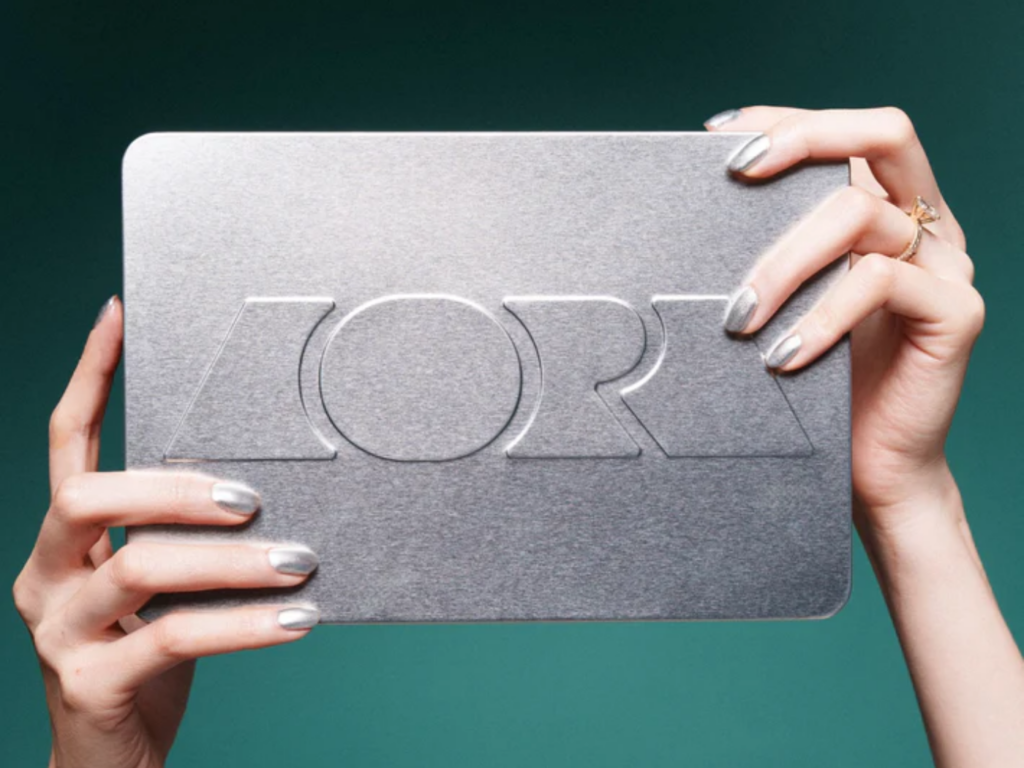
AORA México has reached an important milestone by becoming the first completely plastic-free beauty brand to launch at Sephora. Founded in Mexico City in 2022, the company focuses on combining luxury makeup with environmentally friendly packaging made from recyclable materials like tin, aluminum, and wood. Its products also feature natural ingredients sourced from Mexico, highlighting the country’s rich resources. Along with offering high-quality cosmetics, AORA celebrates Latinx culture through bilingual packaging and content. The brand also supports environmental cleanup efforts by helping remove plastic waste from nature with every purchase. This launch shows that eco-friendly beauty can succeed in the mainstream without sacrificing style or performance. (PR Newswire)
A similar trend is emerging with younger entrepreneurs entering the beauty industry. Twelve-year-old Stella Dorazio created Stellar Beauty Co., a skincare brand designed for active girls in Generation Alpha. Inspired by a school project and her own experiences as a young athlete, Stella developed simple products that focus on cleansing, sun protection, and moisturizing. The brand uses gentle, dermatologist-tested ingredients that are appropriate for younger users while avoiding harsher chemicals. Stella also worked closely with her mother to ensure the products would appeal to both kids and parents. Her story reflects how younger generations are not only influencing beauty trends but also creating brands that better understand the needs and lifestyles of their peers. (Beauty Independent)
Building on these innovations, AI is also changing how beauty companies manage government regulations and product safety. New AI-powered tools help brands organize ingredient information, packaging details, and marketing claims while checking whether they meet rules in different countries. This technology can quickly identify compliance issues, reducing the amount of manual work that regulatory teams must handle. Since many smaller beauty companies have limited staff and resources, these systems make it easier to keep up with changing laws and expand into new markets. As regulations become more complex, AI is becoming an important tool that helps beauty businesses save time, reduce mistakes, and bring products to consumers more efficiently. (Beauty Matter)
Beauty companies are also changing the way they connect with consumers through new marketing partnerships. Tropic Skincare recently teamed up with television presenter Alison Hammond for its first celebrity collaboration, promoting a campaign focused on self-confidence and healthy skin. Together, they created a personalized skincare routine that will be released as a special collection. The campaign is supported by research showing that many women struggle with skin insecurities and prefer products made with naturally derived ingredients that deliver real results. By emphasizing authenticity and self-care instead of unrealistic beauty standards, Tropic hopes to encourage people to appreciate and care for their skin with confidence. (The Industry Beauty)
In addition to product launches and partnerships, beauty brands are creating more in-person experiences to strengthen relationships with their customers. Daise is hosting a summer-themed pop-up event in London that gives visitors the chance to explore its fragrance and body care products through interactive activities, including scent testing, themed photo areas, and complimentary treats. The event builds on the popularity of a previous pop-up and is designed to bring the brand’s online community together in a fun, real-world setting. By offering hands-on experiences and free products, Daise hopes to create lasting connections with Gen Z and Gen Alpha consumers while making its brand feel more personal and memorable. (Cosmetics Business)
WSL’s recent women’s wellness retail conference presented how retailers are expanding their focus to support overall wellness. Retailers are responding by creating wellness sections, offering educational services, and providing more personalized shopping experiences. The event also highlighted the growing influence of AI, pharmacists, and community recommendations in helping women make informed health decisions. Overall, the discussion showed that the future of beauty lies in combining wellness, education, and long-term health to better meet the changing needs of consumers. (CEW)
South Korea recently established its first academic association dedicated to the legal and regulatory issues affecting the food and cosmetics sectors. The organization will focus on studying changing laws, offering policy recommendations, and helping businesses navigate international regulations and intellectual property challenges. With Korean beauty products continuing to expand in global markets, the association aims to support companies by improving legal guidance and protecting innovation. This initiative reflects South Korea’s commitment to maintaining the success and competitiveness of its K-beauty industry as global regulations continue to evolve. (Global Cosmetics News)
To read more about these stories, click the headlines below.
AORA México Makes History At Sephora As The Retailer’s First Fully Plastic-Free Beauty Brand
12-Year-Old Founder Launches Stellar Beauty Co. For Gen Alpha Girls On The Move
How AI Is Becoming the Beauty Industry’s Compliance Copilot
Alison Hammond Becomes Tropic Skincare’s First Celebrity Partner With Confidence-Led Campaign
Daise To Host ‘Bigger And Better’ Summer Picnic Pop-Up Celebrating IRL Community
Retail’s Wellness Revolution: The Shifts Redefining Women’s Beauty
South Korea Launches Food And Cosmetics Law Association
MEMBERS ONLY: Members can click here to be considered for our bi-monthly Member Spotlight, where we highlight standout work, achievements, and contributions across the community.