

 Andrea Nagel
The beauty industry is undergoing rapid transformation, driven by shifting consumer expectations and new definitions of value. Across retail, product development, and brand strategy, companies are rethinking how they connect with increasingly informed and selective audiences.
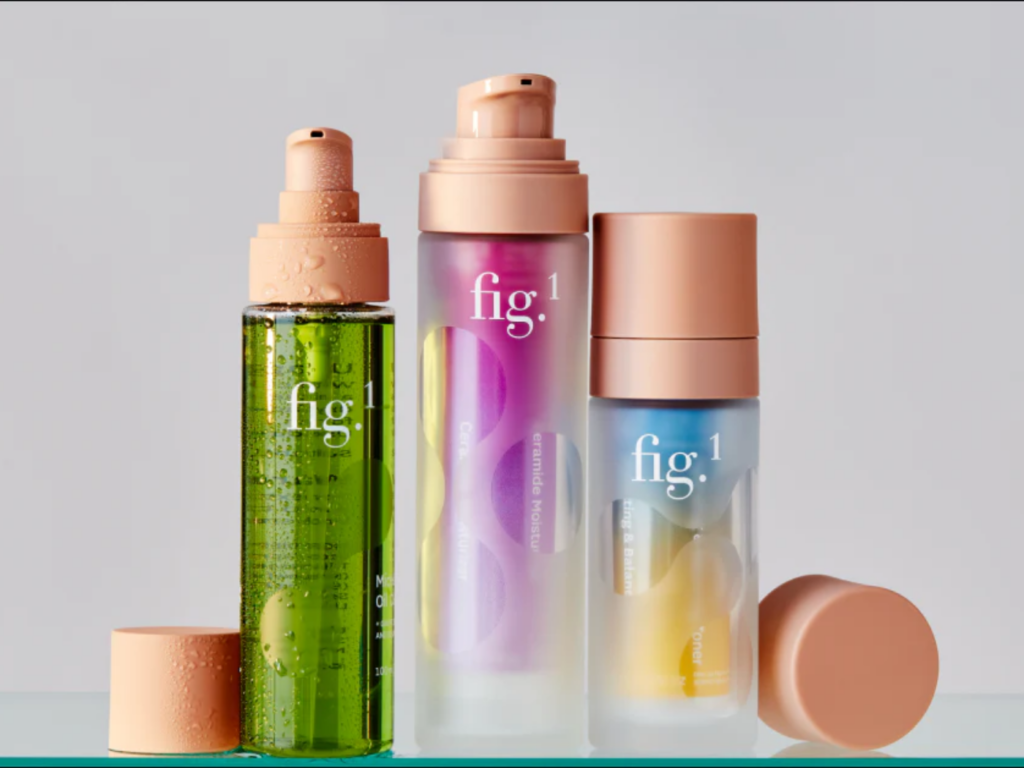
Fig. 1’s move from CVS to Sephora highlights a strategic shift toward visibility, brand positioning, and long-term growth. While drugstores offer wide distribution, Sephora provides a more curated environment where dermatologist-founded brands can stand out and connect with engaged beauty consumers. Co-founder Kimmy Scotti emphasizes that the brand’s clinical credibility, paired with accessible pricing, fills a gap in the prestige market. This transition also reflects changing consumer behavior, with shoppers seeking effective, science-backed products that are still approachable and easy to understand. By prioritizing discovery and education, Fig. 1 is positioning itself to compete in a more competitive but higher-impact retail space. (Glossy)
Similarly, this evolution in retail strategy is not limited to topical skin care but is also reshaping how wellness products are introduced to consumers. Cymbiotika’s partnership with Ulta Beauty signals a major shift in how consumers approach beauty and wellness. By bringing supplements into mainstream retail, the collaboration reinforces the idea that skincare is no longer just topical but deeply connected to overall health. The focus on products that support cellular function, sleep, and longevity reflects growing demand for holistic solutions rather than quick fixes. Additionally, Ulta’s strong retail presence and marketing ecosystem will likely accelerate awareness and adoption of ingestible beauty products. This move not only expands Cymbiotika’s reach but also highlights how the beauty industry is evolving to meet consumers’ desire for comprehensive, inside-out self-care solutions. (Global Cosmetics News)
As brands expand across categories and channels, understanding how consumers discover and evaluate these products becomes increasingly critical. Spate’s 2026 report highlights how beauty discovery has become more dynamic, driven by the constant interplay between search engines and social platforms like TikTok. Consumers are no longer passive; they actively research, compare, and validate products before committing. The rise of trends such as scalp care, maintenance-focused routines, and simplified product formats shows a shift toward practicality and long-term results. At the same time, low-risk experimentation is encouraging users to try new scents, colors, and tools without hesitation. By identifying emerging “whitespace” opportunities, the report emphasizes how brands must stay adaptable, using clear messaging and innovation to capture attention in an increasingly competitive and fast-moving beauty landscape. (CEW)
To keep pace with this rapidly evolving landscape, companies are also rethinking their internal structures and leadership priorities. Supergoop’s decision to appoint Alana Kwarta as its first Chief Human Resources Officer reflects how people strategy is becoming central to business growth. By bringing in experienced leadership, the company is prioritizing strong organizational structure, culture, and long-term scalability rather than just product innovation. This move signals a broader industry trend where talent and internal systems are seen as competitive advantages, especially during periods of rapid expansion. With a focus on leadership development and a high-performance culture, Kwarta is expected to help shape a more resilient organization. Ultimately, the appointment underscores that success in beauty today depends not only on products but also on the strength and alignment of the teams behind them. (The Industry Beauty)
At the same time, emerging brands are leveraging these shifts in consumer expectations and industry structure to carve out distinct identities from the start. Playface’s launch reflects how Gen Z beauty brands are blending transparency, affordability, and cultural relevance to stand out in a crowded market. Founder Benjamin Price is clearly responding to growing consumer skepticism, especially in sun care, by prioritizing ingredient clarity and open communication around testing. By combining science-driven formulas with playful branding, the brand aims to balance credibility with emotional connection. Its focus on a high-use, entry-level product like lip balm is also a smart strategy to encourage trial and visibility. Ultimately, Playface highlights a broader shift in which trust, authenticity, and relatability are as important as product performance in winning over younger consumers. (Beauty Independent)
This emphasis on authenticity and storytelling extends beyond emerging brands to celebrity-led ventures as well. Cardi B’s new hair care brand, Grow-Good Beauty, draws inspiration from her personal journey and Dominican beauty rituals, reflecting a growing trend of celebrity-led brands rooted in authentic experiences. Developed with Revolve Group and a team of industry partners, the line is designed to repair, strengthen, and hydrate hair, featuring the proprietary Fiberlace complex across shampoos, conditioners, masks, and serums. Products such as Get Rich mask and Everything Serum combine natural, clean ingredients with practical performance, offering consumers a multi-level approach to hair care. Launching April 15, with presale beginning March 24 exclusively on growgood.beauty, the brand translates Cardi’s DIY routines into accessible, vegan, and cruelty-free formulations, positioning itself at the intersection of personal storytelling, wellness-driven beauty, and strategic lifestyle branding. (WWD)
To read more about these stories, click the headlines below.
After Exiting CVS, Dermatologist-Founded Fig.1 Heads to Sephora
Cymbiotika Partners with Ulta Beauty for Nationwide Retail Launch
Spate Maps Out the Whitespace Opportunities Impacting the Beauty Industry in 2026
Supergoop Names First Chief Human Resources Officer as it Enters Next Phase of Growth
Gen Z Brand Playface Looks to Rebuild Trust in Sun Care with “SPF Receipts”