


Jessica Ruiz
Disabled Makeup Artist, Beauty Creator, Model, and Disability AdvocateJessica Ruiz is an internationally recognized disabled makeup artist, beauty creator, model, and disability advocate who is redefining what is possible in the beauty industry.
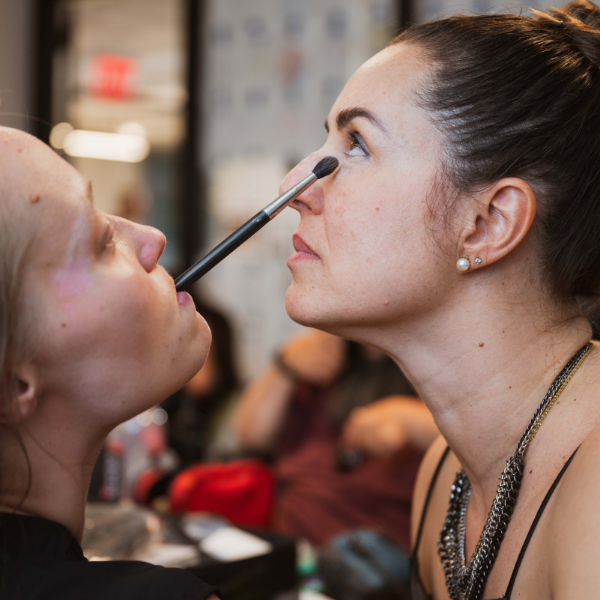
Born with arthrogryposis, Jessica has spent her life challenging the assumptions surrounding disability and accessibility. As a professional makeup artist, she became the first internationally recognized disabled makeup artist known for applying cosmetics using her mouth, transforming what many once viewed as a limitation into a distinctive form of artistry and a powerful statement about possibility.
Through her beauty platform, DreamyEyesArtistry, Jessica combines professional artistry, beauty education, storytelling, and advocacy to challenge traditional standards of beauty and expand the industry’s understanding of accessibility and representation.
Her work as a makeup artist has taken her to major fashion and beauty spaces, including Philadelphia Fashion Week, New York Fashion Week, international fashion productions, and adaptive fashion events. She has collaborated with leading beauty brands and has been featured by Glamour, while using her platform to demonstrate that disability does not diminish creativity, professionalism, or artistic excellence.
Beyond the beauty chair, Jessica is a passionate disability advocate who works to create meaningful change for the disabled community. She has spoken at the Pennsylvania State Capitol and continues to use her voice to advocate for greater independence, inclusion, accessibility, and opportunity.
Jessica brings a perspective that is rarely represented in the beauty industry: that of the artist who has had to adapt the tools of her craft to her body rather than adapting herself to an industry that was never designed with her in mind.
Her work challenges beauty brands, artists, and industry leaders to look beyond traditional ideas of representation and ask a more important question:
What could beauty look like if accessibility wasn’t an afterthought, but part of the design from the beginning?