

 Nathan Byrne
Over 10 years editing campaigns for beauty and luxury brands. A campaign is shot beautifully for a 16:9 film. Then the team needs a vertical version, a square retail asset, short social pieces, an event film, and product-specific edits. The footage may be excellent, but it was not always captured with those uses in mind.
Beauty brands do need more content. That does not always mean they need more production. Sometimes the answer is to make better decisions before a shoot, keep the material that could be useful again, and return to it with a clear understanding of what is there.
Plan For Where Footage Goes Next
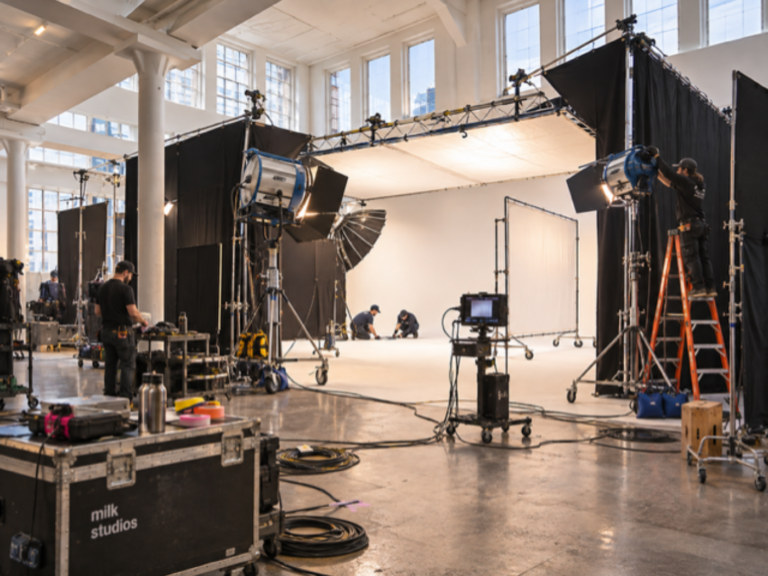
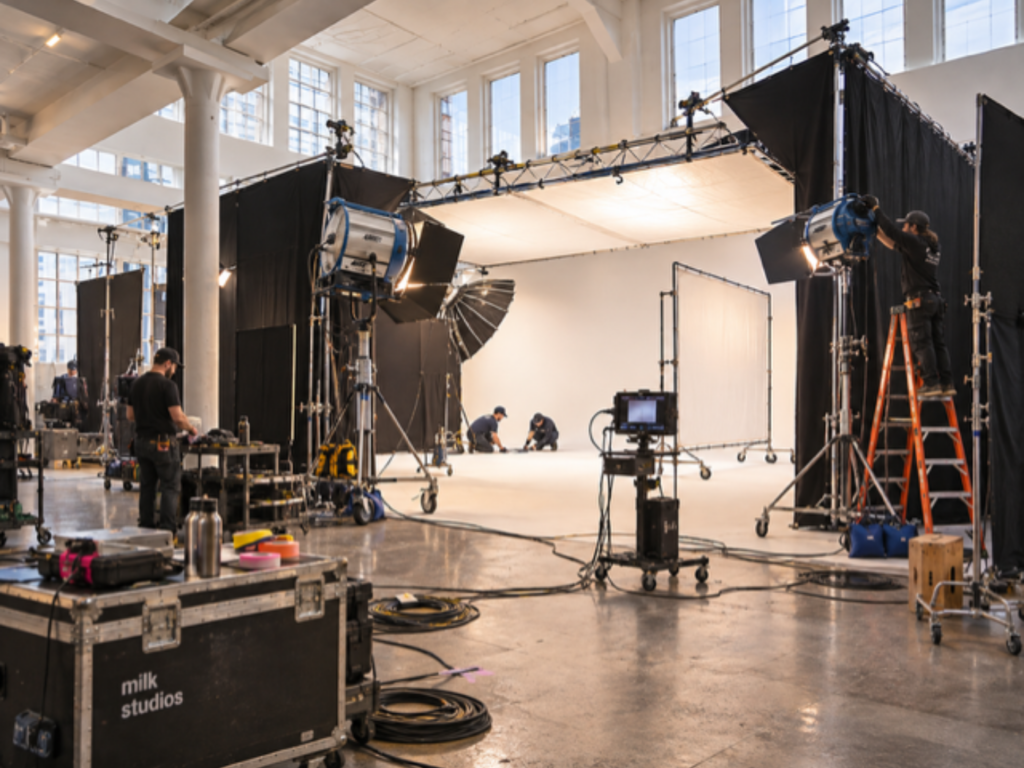
A little planning before the shoot can make the finished campaign much more useful. It helps the team look beyond the hero film and consider where the work may appear, how it might need to be reframed, and which additional material could make post-production more flexible.
That might mean capturing a few alternate framings, a clean background, the product on its own, or extra moments around the main action. These details are usually quick to create while the lighting, product and crew are already in place, and they can give us more options later for social, retail media, e-commerce, in-store screens and other formats.
You do not need to have every future use mapped out in advance. A little foresight can help ensure the shoot produces useful material for whatever comes next.
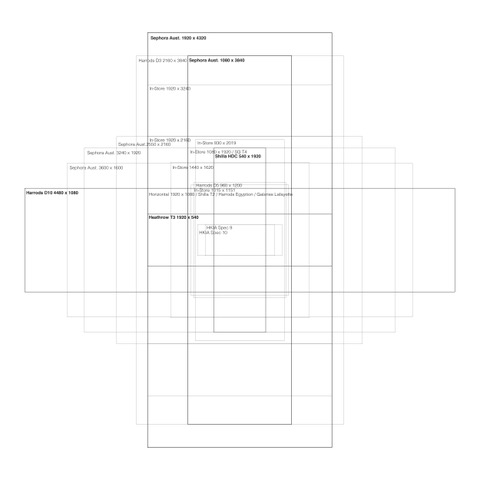
Video Cropping Case Study
Give Editors Useful Choices
An editor can do far more when the footage contains options. A clean pass can provide room for type or help remove something that dates a shot. A wider framing can make a vertical crop possible without losing the product or a face. A few extra seconds before and after the main action can create a natural opening, transition, or ending.
These choices should be planned in advance so the production captures the material needed for future edits and formats. At MOSS, we join the conversation in pre-production, before the shot list is locked, so the footage captured supports every format the campaign will need.
This does not mean shooting everything twice. It means identifying the shots most likely to carry the campaign and giving those moments enough flexibility. The extra capture may take minutes on set and prevent a much more expensive solution later.
Keep Material That Still Has Value
I spent a decade editing projects for Fresh Beauty. Its brand voice was highly sensorial, so I began collecting shots I came across that felt useful and on brand. Over time, I built out select strings of on-brand imagery, along with organized collections of product footage from campaign shoots.
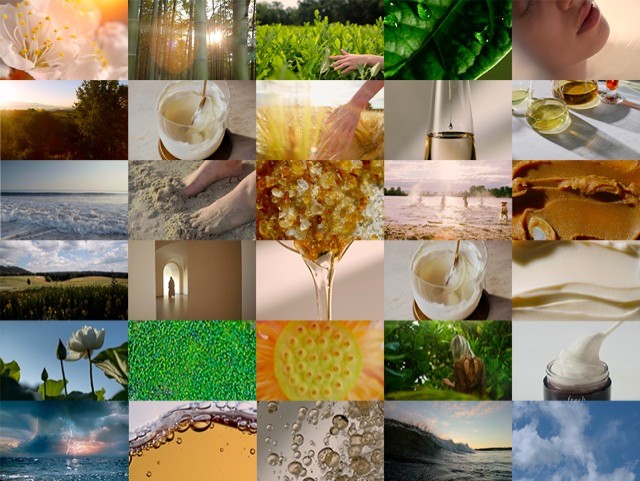
When we needed a social piece, sizzle, retail film, or event video, I could draw from years of ingredients, textures, products, movement, and atmosphere. The work was richer in production value and much quicker to execute because I already knew what was there and where to find it. Over that decade, the library supported many pieces of content, from social and sizzle to retail and event films, many without a new shoot.
The system was simple. I recognized useful material as I worked, collected it, and kept it accessible. That approach became the foundation for MOSS. Today, we build and maintain curated footage libraries for brands, so every new request starts with what the brand already owns.
That process also reduced creative guesswork. When a new request arrived, the conversation could begin with real options rather than a vague search through old drives. The team could see quickly whether existing material was enough, whether it needed new supporting footage, or whether a new shoot was genuinely the right answer for the job.
The lesson was not that every frame should be saved forever. It was that strong material continues to have creative value after the campaign that paid for it has ended. Someone who understands the brand still has to decide what belongs, what feels current, and what can be combined without making the work feel recycled.
Use New Tools with Judgment
Post-production can already create many deliverables from one set of footage. We can change pace and duration, build product-specific versions, reframe for different screens, combine current and earlier material, and use sound, graphics and color to make each piece feel intentional.
AI can already extend a frame for a different aspect ratio, change a background, remove unwanted elements and create simple supporting material. Results vary, especially when products, packaging or people need to stay consistent. But some of this work might previously have required another shoot or more visual effects.
These tools do not make source material less important. They work best when the original photography is strong and someone can judge whether the result still looks like the product, the person and the brand. That judgment is the job. At MOSS, our editors use these tools where they help and step back where they would compromise quality or brand identity.
Five Questions Before the Next Shoot
Before production, I would ask:
Where will this campaign need to appear beyond the hero film?
Which shots must work in both horizontal and vertical formats?
Which clean passes, product shots or extra moments would give the edit more choices?
What useful footage from earlier campaigns could work with this new campaign?
Who will recognize, collect and keep the strongest material accessible?
These are small questions, but they can change the value of the shoot. They also bring the editor into the conversation while choices are still inexpensive to make. For most brands, the answer to that last question is unclear. That is the role a dedicated post-production partner can play, and it is the work MOSS was built to do.
More content will sometimes require new production. A new launch, claim, package or creative direction may demand it. But before adding another shoot, it is worth asking whether the next piece could come from footage already being captured, material the brand already owns or a smarter combination of both.
The aim is simple: make every shoot work harder and last longer without lowering the quality of the work.
Author Biography
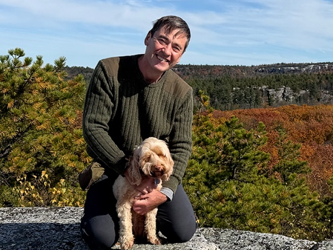
Nathan Byrne is an editor and executive producer and the founder of MOSS, a post-production company specializing in branded content, commercials and campaigns. He has worked extensively in beauty, luxury and lifestyle, combining hands-on editorial judgment with flexible teams across music, VFX, color, sound and finishing. With more than 30 years in the edit, he has partnered with brands including Fresh Beauty, Shiseido and Drunk Elephant.
See the work at moss.studio. To talk about getting more from your next shoot, contact nathan@moss.studio