



 Gabriella Termine
From artificial intelligence and social media engagement, companies are finding new ways to connect with consumers while shaping the future of beauty.
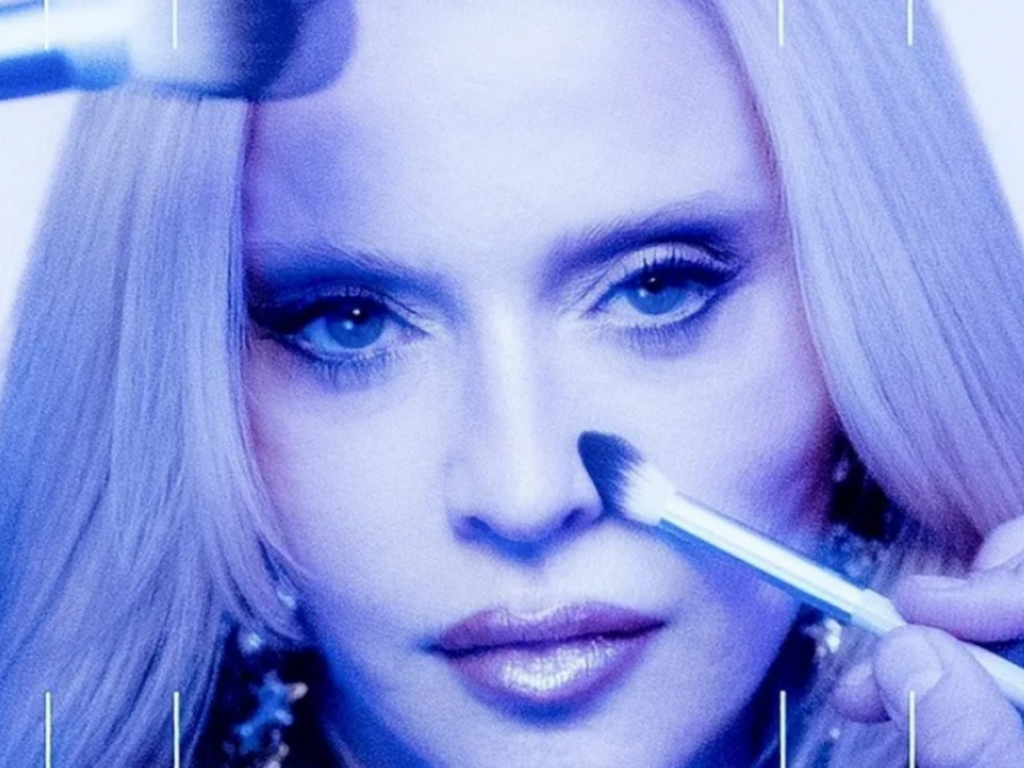
Kiko Milano is ready to take on the American makeup market. The Italian beauty brand, which in 2025 crossed the $1 billion sales threshold for the first time, is marking its first big U.S. push with a Macy’s launch and a partnership with Madonna, who joins the 29-year-old brand as its second-ever global ambassador. “We collectively decided that we wanted to come to the U.S. and make a scene,” said Drew Elliott, who joined Kiko as chief brand officer in 2025, exiting his previous role as global creative director at MAC Cosmetics. “Kiko Milano is a powerhouse brand, and it deserves a powerhouse face. Madonna is that person: she has Italian roots; she’s known for reinvention, for boldly being exactly who she is — and, many times, using makeup to do that. She is the Kiko girl.” (WWD)
Sephora is expanding its use of artificial intelligence to make beauty shopping more accessible through popular AI platforms. By partnering with Google, the company is allowing customers to explore products, receive personalized recommendations, create beauty routines, and complete purchases without leaving Google’s AI experience. This move reflects Sephora’s goal of connecting with shoppers where they increasingly begin their product searches. While the retailer is investing heavily in AI-powered tools such as virtual skin analysis and beauty chat assistants, it continues to emphasize the importance of human interaction. Sephora views technology as a way to support beauty advisors and improve the customer experience rather than replace personal guidance. (Glossy)
Similarly, beauty brands are also using digital platforms to build stronger relationships with consumers through authenticity and transparency. Poom Cosmetics founder Irene Ham has grown her company by sharing the realities of launching and running a business on TikTok, from financial challenges to product development decisions. Since she lacked the budget for large marketing campaigns, social media became her primary way to attract customers and build trust. This open approach helped the brand gain attention, achieve profitability, and secure opportunities such as participation in Ulta Beauty’s accelerator program. However, operating so publicly also comes with challenges, including criticism and increased scrutiny. Despite these risks, Ham’s experience highlights how personal storytelling can drive growth and foster meaningful customer connections. (Beauty Independent)
Beyond improving customer engagement and marketing strategies, beauty companies are also investing heavily in research and product development. Unilever recently expanded its fragrance innovation efforts by opening a new facility in Mumbai, India, designed to strengthen its global fragrance capabilities. The center will combine consumer research, scientific expertise, and artificial intelligence to develop scents more efficiently while tailoring products to local preferences. As demand for premium beauty products continues to grow, particularly in India, the investment reflects Unilever’s focus on creating distinctive sensory experiences that appeal to consumers worldwide. The move also highlights the industry’s broader commitment to using advanced technology and data-driven insights to accelerate innovation and support long-term growth. (Cosmetics Business)
Alongside investments in technology and product development, beauty companies are also strengthening their relationships with consumers through community-focused initiatives. This Pride Month, Sally Beauty is hosting celebrations in Los Angeles and New York City that encourage self-expression, inclusivity, and connection. The events will feature product giveaways, interactive experiences, and opportunities for attendees to engage with the brand in a fun and welcoming environment. As part of its ongoing commitment to supporting diverse communities, Sally Beauty is also highlighting LGBTQIA+ owned and founded brands whose products promote creativity and individuality. These efforts demonstrate how beauty retailers are extending their impact beyond products by creating meaningful experiences that bring people together. (PR Newswire)
As beauty brands continue to expand their reach across different consumer groups, the men’s skincare category is gaining increasing attention within the prestige market. Caldera + Lab, a fast-growing skin care company, recently entered Nordstrom, marking its first major retail partnership after establishing a strong online presence. The brand’s growth reflects changing attitudes among male consumers, who are becoming more interested in skincare, wellness, and products tailored to their specific needs. Rather than relying on traditional masculine branding, Caldera + Lab has focused on premium design, scientific research, and high-performance formulations. Its success highlights how men’s skincare is evolving from a basic grooming category into a more sophisticated segment that emphasizes quality, education, and long-term self-care. (Beauty Matter)
To read more about these stories, click the headlines below.
Can Madonna and Macy’s Bring Kiko Milano’s Makeup Reign to the U.S.?
Sephora Is Bringing Prestige Beauty Shopping Into Google’s AI Ecosystem
Poom Cosmetics Founder Irene Ham On The Rewards And Risks Of Building In Public
Unilever Opens India Fragrance Hub To Enhance Global Capabilities
Sally Beauty Celebrates Pride Month with Community Activations Across LA and NYC
The New Masculinity Formula: Caldera + Lab Goes to Nordstrom
MEMBERS ONLY: Members can click here to be considered for our bi-monthly Member Spotlight, where we highlight standout work, achievements, and contributions across the community.