

 Andrea Nagel
Across the beauty industry, companies are blending pop culture, technology, and strategic leadership moves to reshape how consumers discover and engage with brands. From AI-driven retail and personalized beauty platforms to luxury portfolio expansion and culture-driven marketing, the sector is converging around innovation, premiumization, and deeper cultural relevance.
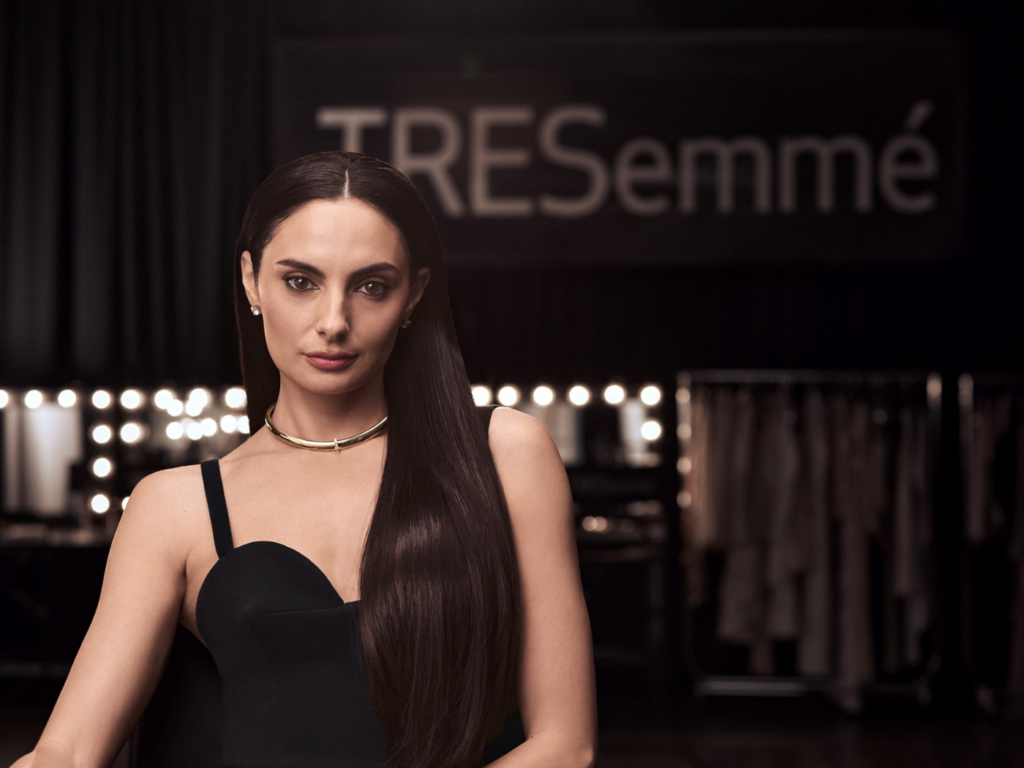
Brands are leveraging entertainment to strengthen consumer engagement. TRESemmé has launched its new “Get Your Hair on the A-List” campaign, aiming to bring red-carpet styling into consumers’ everyday routines. The campaign includes a collaboration with The Devil Wears Prada 2 and introduces limited-edition products inspired by the film. Influencer and author Paige DeSorbo stars in the campaign as the brand’s “Chief A-List Officer,” highlighting the accessible luxury of the A-List Collection. The initiative also features creative activations, including a Hair Couture Dress debut and a campaign spot airing during the Academy Awards. Through these efforts, the brand aims to make high-fashion hair trends more attainable while strengthening its presence across retail and pop-culture moments. (PR Newswire)
Recognized today on CEW is Stephanie Kramer, Chief Human Resources Officer at L’Oréal North America, a 2026 Achiever Awards Honoree. Kramer has built a career spanning science, brand leadership, and people strategy and is being recognized for the excellence she has shown throughout her career. Originally trained in chemistry, Kramer began her journey in the fragrance industry before moving through multiple brands and leadership roles across the beauty sector. Her experience inclue working closely with customers, retailers, and global teams which helped shape her belief that successful innovation comes from collaboration and clear problems solving. Now leading HR for more than 12,000 employees, Kramer focuses on fostering a culture that prioritizes both business results and employee well-being. She describes her role as a “cultural catalyst,” bringing people together to drive progress while shaping the future of work in the beauty industry. (CEW)
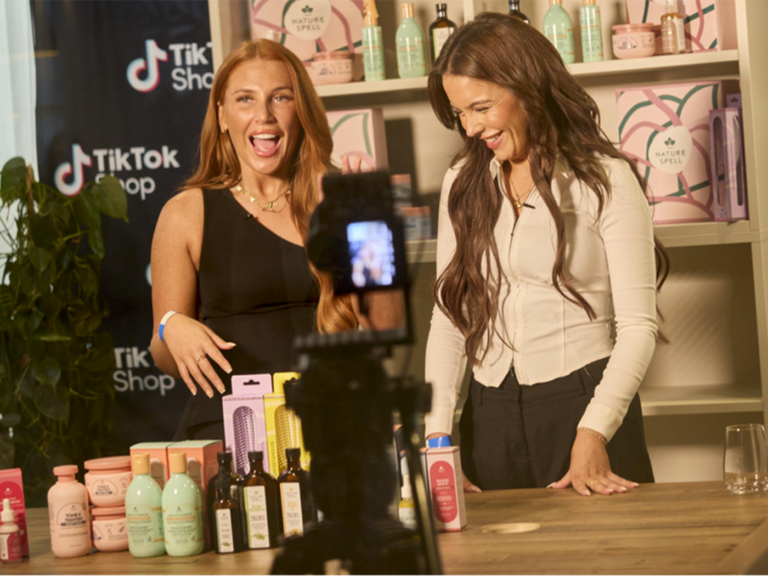
Beyond leadership recognition, retailers are embracing new technologies to transform how consumers shop for beauty. John Lewis is expanding its digital retail strategy by investing in AI-powered shopping and social commerce. As part of its £800 million transformation program, the retailer plans to make its products discoverable on AI platforms such as Google Gemini and ChatGPT, allowing customers to browse and purchase items directly through third-party apps. It has also launched a 90-day pilot store on TikTok Shop featuring beauty and gifting products from brands like Jo Malone London and Estée Lauder. Additionally, faster delivery options through Uber Eats will allow nearby customers to order thousands of products within 45 minutes. The move aims to reach younger shoppers and drive digital sales growth. (Global Cosmetics News)
At the same time, beauty technology companies are pursuing new avenues for expansion and investment. IEVA Group has announced plans to go public on the Euronext in Paris, marking a major step in its growth strategy. The personalized beauty and well-being company will price its shares at €12.79, with trading expected to begin March 31 on Euronext’s growth market for smaller companies. Founded by Jean Michel Karam, the group owns brands including IOMA Paris and My Little Paris. The IPO aims to raise €8m to support international expansion and scale its AI-driven beauty technology platform as the company positions itself at the forefront of the fast-growing personalized beauty and wellness sector. IEVA reported €43.4m in revenue in 2025, reflecting an average annual growth rate of 70% over the past five years. The company ultimately aims to build a fully integrated beauty tech ecosystem, combining AI diagnostics, personalized products, and digital communities to transform how consumers engage with beauty and well-being. (Cosmetics Business)
L’Oréal’s strategic pivot toward luxury, fragrance, and medical dermatology has transformed its growth trajectory, reinforcing its position as a global beauty leader. Under Chief Executive Nicolas Hieronimus, targeted acquisitions from Aesop and Creed to stakes in Galderma have reshaped the company’s revenue mix, narrowing gaps between consumer, luxury, and clinical divisions while accelerating hair care growth. The expansion into medical aesthetics signals a convergence of beauty and healthcare, reflecting changing consumer attitudes toward skincare and wellness. Supported by robust marketing investment and a disciplined portfolio strategy, L’Oréal’s focus on premiumization is paying off, driving strong results across regions and positioning the French beauty group for sustained leadership in luxury and clinical beauty markets worldwide. (Beauty Matter)
Lastly, leadership shifts within major beauty groups also signal strategic priorities for the future. LVMH has strengthened its beauty leadership with the appointment of Philippe Farnier as Deputy Chief Executive Officer of Parfums Christian Dior and the group’s beauty division. Farnier, who joined LVMH in 2022 and previously served as Executive Vice President at Dior, will support the division’s transformation and help strengthen collaboration across its brands. He will work alongside Véronique Courtois, the recently appointed chairman and CEO of the LVMH Beauty Division. With decades of experience across beauty and consumer goods, Farnier is expected to help drive greater synergy, competitiveness, and long-term growth as the company adapts to an evolving global beauty market. (The Industry Beauty)
To read more about these articles, please click the headlines below.
TRESemmé Gives Everyone VIP Status with New “Get Your Hair on the A-List” Campaign
John Lewis Invests in AI-Powered Shopping and Launches on TikTok Shop
IEVA Group announces IPO to become ‘Netflix of Beauty.’
How L’Oréal Turned a Mass-Beauty Empire Into a Luxury Powerhouse