



 Tina Fair
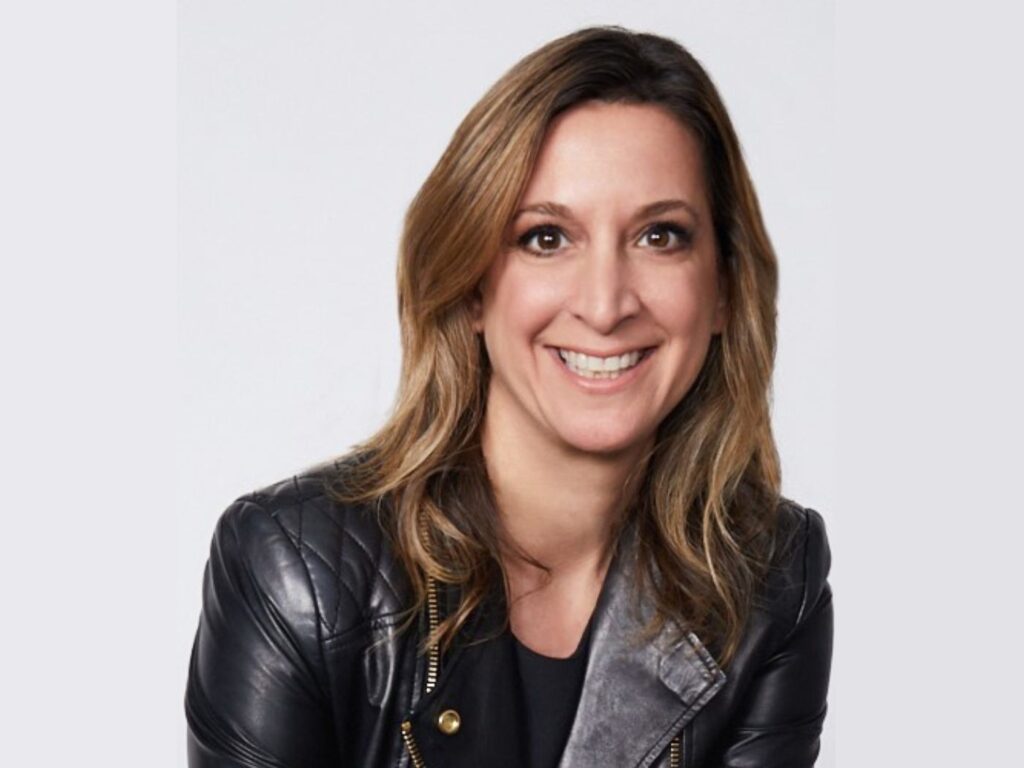
By Tina Fair, President, Consumer Products Division, L’Oréal North America
For years, business rewarded a certain kind of leader: decisive, analytical, emotionally detached. Success was measured by IQ — how fast you could process, decide, and execute. Bringing emotion into the mix was seen as a distraction — something to manage, minimize, and keep out of the boardroom.
I never quite bought that.
When I was 10 years old, I moved from Cyprus to the United States, hyper aware that English was my second language and afraid to speak for fear of judgment. Every day, I had to learn to read the room before I could speak in it. I learned to understand inflections in people’s voices, tone, facial expressions, body language — what wasn’t being said — because I didn’t yet have the words for what was.
That experience shaped how I lead today. It taught me that emotional intelligence isn’t soft — it’s survival.
And today, it’s becoming a business advantage.
The environment we’re navigating now — AI disruption, a hybrid workforce, shifting consumer expectations — demands a different kind of leader. Not one who is less analytical, but one who is more attuned to human sentiment. Because you cannot adapt to what you cannot accurately read.
I make it a practice to check in with my team every day about something non-business related. It sounds simple — and it is. It’s not about strategy, metrics, or “what’s next.” It’s just people, being people. It keeps me present. It helps me understand the energy of the room and reminds everyone — including me — that we are people first and colleagues second.
That is not a soft leadership habit. That is intelligence gathering.
The best leaders I know can sense when a team is disengaged before performance drops. They can tell when confidence is masking confusion. They deliver hard feedback without eroding trust. They hold uncertainty steady without creating panic.
These are learnable, practicable skills — and they are becoming essential in the face of this next technological revolution. Emotion is not noise. It is data.
When I’m making a tough decision, my instinct is to listen — not to validate or to please, but to hear the most challenging perspectives in the room. Then I weigh that input against my experience, make a decision, and commit.
I’m not ignoring emotion in that process. I’m reading it — and using it to inform my response. Leaders who skip that step operate with an incomplete picture.
In consumer goods, this matters even more. Our business is built on human connection. Our consumers are not abstractions — they are navigating real aspirations, real pressures, and real shifts in how they see themselves.
Beauty, at its best, is a platform for self-expression. It is deeply personal what people choose to put on their bodies and faces. That’s why the shift in our industry — from rigid standards to radical inclusion — isn’t just a trend — it’s a business mandate. Leaders cannot afford to lead from a distance.
People want clarity wherever they can find it. The most self-aware individuals want leaders who truly see them — who challenge them honestly and create the conditions for them to do their best work.
That requires emotional intelligence. Knowing when to push. When to listen. When to pivot. When to hold the line.
EQ is not a leadership supplement. It is the operating system for the future of work. The organizations that build it — at every level — will outperform those that don’t.
The future of leadership isn’t less human — it is precisely more human.