


 Andrea Nagel
The beauty industry is seeing significant developments as it closes out 2025, marked by leadership changes, financial shifts, and evolving consumer trends.
Speculation is rife about Sue Nabi’s potential departure from Coty Inc. after more than five years as CEO. While multiple sources suggest her exit, Coty has declined to comment on the matter, WWD reports. The article highlights challenges facing Coty, including the impending loss of its Gucci fragrance and beauty license in 2028, which accounts for a significant portion of the company’s sales and profits. Additionally, Coty is conducting a strategic review of its mass color cosmetics and Brazil operations. Industry insiders suggest that Gordon von Bretten, a Coty board member, could temporarily succeed Nabi if she exits.
Meanwhile, private equity firm TPG has largely exited its stake in Anastasia Beverly Hills, incurring a $600 million loss as part of a debt restructuring, according to Business of Fashion. TPG, which initially acquired a 38% stake in the cosmetics company in 2018, now holds only 6% following the restructuring. The move comes as Anastasia Beverly Hills faces financial challenges, including missed loan payments and credit downgrades, prompting the company to work with lenders to refinance its debt. Founder Anastasia Soare is reportedly considering injecting $225 million into the business to stabilize operations and address upcoming loan maturities.
In terms of consumer trends, hair care emerged as the top-selling beauty category during Black Friday and Cyber Monday, accounting for 29.6% of online beauty sales, according to Beauty Independent. This surge was driven by the popularity of hair care products on platforms like Amazon and TikTok Shop, which played a pivotal role in boosting sales. Gen X and millennial consumers were the primary drivers of this trend, showcasing a growing interest in hair care solutions during the holiday shopping season.
The holiday fragrance market is also experiencing a shift, with luxury gourmands, amber-rich blends, and modern floral scents gaining popularity, says Forbes. Brands such as BDK Parfums and Laura Mercier are at the forefront of this growing global perfume market. The global perfume market is projected to experience significant growth, driven by a demand for personalized and luxurious olfactory experiences.
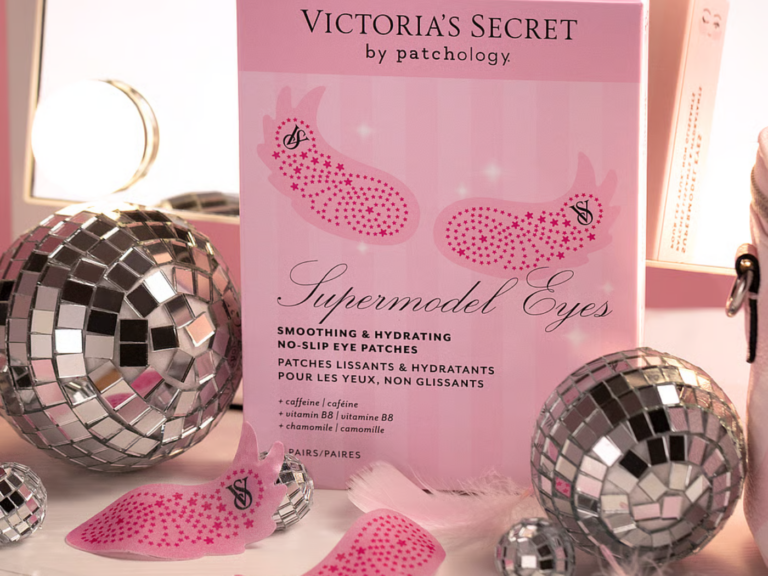
And finally, from CEW, a round-up of what’s making product news this month, from mass brands answering their most persistent DMs, to indies reengineering every-day rituals, December’s launches reflect consumer demand for smarter, more sensorial, more “why didn’t this exist already?” innovation.
Is Sue Nabi About to Exit Coty? WWD
TPG Cuts Stake in Anastasia Beverly Hills, Takes $600 Million Hit Business of Fashion
Unicorns Gallop Back on the Beauty M&A Scene in 2025 WWD
Haircare Leads Holiday Beauty Sales Beauty Independent