

 Andrea Nagel
The beauty industry continues to evolve rapidly, shaped by a mix of celebrity-led brand launches, technological innovation, and shifting consumer expectations. Across both product development and retail strategy, brands are increasingly focusing on personalization, digital engagement, and immersive experiences to stay competitive in a crowded global market.
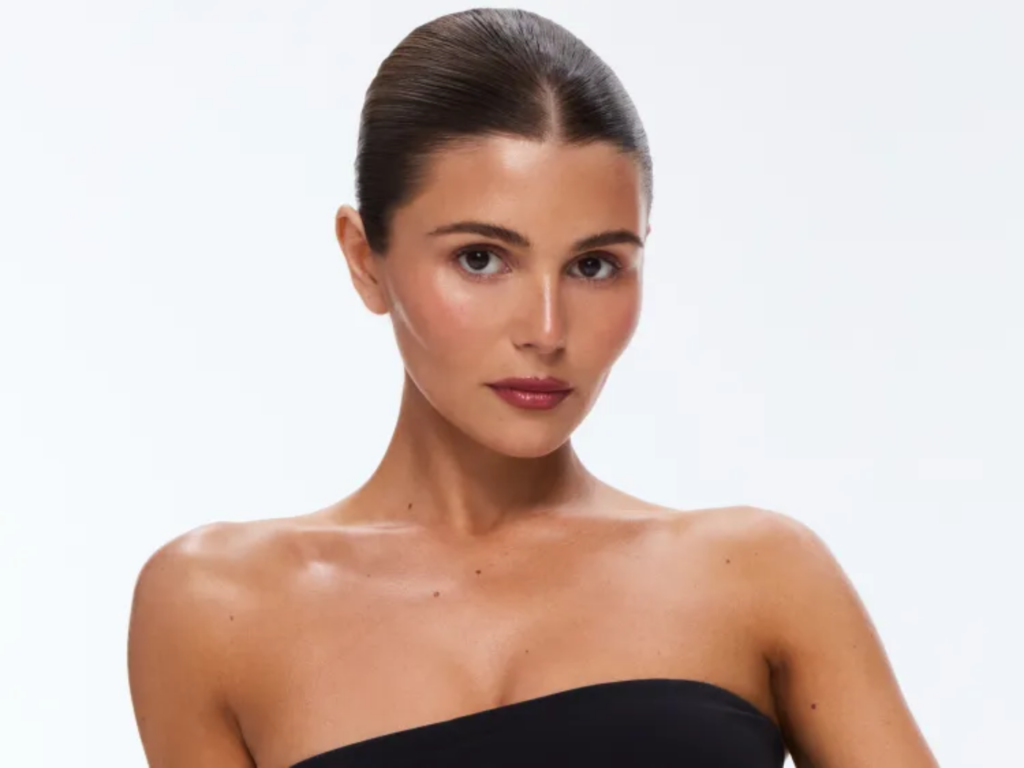
Olivia Jade has entered beauty with the launch of o.piccola, a brand focused on effortless, natural-looking makeup designed to enhance rather than mask features. After several years of development and testing, the influencer introduced its debut product, a dual-ended Bronze & Glow Balm available in three shades and formulated in South Korea. The launch reflects the continued momentum of influencer-led beauty brands, which draw inspiration from personal routines and evolving consumer preferences for simple, skin-enhancing products. (Cosmetics Business)
While the beauty industry grows every day, the U.S. beauty industry recorded consistent growth during the first quarter of 2026, with both prestige and mass-market segments showing similar performance levels for the first time in several years. Consumer demand was largely influenced by a focus on affordability, wellness, and high-quality products that deliver visible results. Fragrance, skincare, and hair treatments emerged as the strongest categories, while makeup experienced slower momentum despite continued interest in lip and face products. Digital shopping also played a major role in the industry’s expansion, as online platforms and social commerce continued gaining influence over consumer purchasing habits. E-commerce now represents a significant share of beauty sales, with TikTok Shop becoming an increasingly powerful retail platform. Analysts suggest brands must prioritize strong digital strategies to remain competitive in the evolving market. (Beauty Matter)
Fragrance house Cosmo International Fragrances has tapped Emily Bond to fill the newly created role of General Manager for the United States; a position the company says reflects its growing investment in and commitment to the North American market. The company created this role as a direct reflection of its expansion plans and its intent to deepen its presence in North America. The move comes as global fragrance houses accelerate investments in the United States, widely regarded as a critical proving ground for both established and emerging scent brands. (Home & Personal Care Middle East & Africa)
Further reflecting the evolution of the beauty industry, the CEW Visionary Awards highlighted the growing influence of female entrepreneurs who are reshaping the market through innovation, resilience, and strong consumer engagement. Founders behind brands such as Kayali, Odele, and Danessa Myricks Beauty discussed the increasing challenges of operating in a highly competitive and digitally driven industry, where customer acquisition costs and market saturation continue to rise. Many emphasized the importance of sustainable growth, authentic communication with consumers, and adapting to changing retail trends. The event also underscored how independent beauty brands are gaining greater cultural and commercial influence within the industry. Through transparency, community engagement, and strategic digital presence, these entrepreneurs demonstrated how modern beauty brands are evolving beyond products to build deeper connections with consumers and long-term market relevance. (Beauty Independent)
Continuing the industry’s growing emphasis on digital engagement and consumer connection, Hawaiian Tropic launched a new summer marketing campaign featuring influencer Alix Earle to promote sunscreen application through music, dance, and social media interaction. Building on the success of its previous viral campaigns, the brand aims to transform SPF application from a routine task into a more entertaining and lifestyle-driven experience. The campaign includes a music video, choreographed dance content, influencer partnerships, and collaborations with major media platforms, reflecting the increasing role of social-first marketing strategies within the beauty and personal care industry. Hawaiian Tropic also expanded its visibility through a partnership with Sports Illustrated Swimsuit, further strengthening its presence in summer beauty and wellness culture. The campaign highlights how brands are increasingly using entertainment and influencer culture to create stronger emotional connections with consumers. (PR Newswire)
Further demonstrating how beauty brands are expanding beyond traditional product categories, L’Oréal Luxe partnered with DataLand to introduce responsive fragrance technology into an immersive artificial intelligence art experience. The collaboration centers on a multisensory exhibition in Los Angeles that combines digital art, environmental storytelling, and adaptive scent diffusion to create a more interactive visitor experience. Rather than functioning as static fragrances, the scents were designed to react dynamically to both the artwork and audience movement throughout the space. The project reflects the beauty industry’s growing interest in artificial intelligence, experiential luxury, and sensory innovation as brands seek new ways to engage consumers beyond traditional retail environments. By integrating fragrance into a permanent cultural institution, L’Oréal Luxe positions scent as an artistic and emotional medium that enhances storytelling, memory, and audience immersion in emerging digital experiences. (Global Cosmetic Industry)
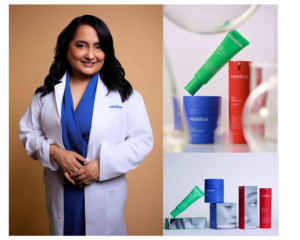
Adding to the industry’s growing focus on digital retail and younger consumers, Amorepacific announced the U.S. launch of its skin care brand MAMONDE through Amazon. The expansion reflects the increasing popularity of K-beauty products among Gen Z and Gen Alpha shoppers, who are drawn to accessible skin care options supported by scientific research and trend-driven marketing. MAMONDE’s product range highlights floral-based formulations developed through the company’s long-term botanical research, while the exclusive online launch demonstrates Amazon’s growing influence within the prestige beauty market. The move also aligns with broader industry trends emphasizing e-commerce growth, digital-first distribution strategies, and direct engagement with younger audiences. As beauty brands continue adapting to evolving consumer habits, online retail partnerships are becoming an increasingly important driver of visibility, accessibility, and long-term expansion in the global skincare sector. (Global Cosmetics News)
Paula’s Choice is stepping further into the world of global sports by becoming the official skin care sponsor of the 2026 FIFA World Cup. The brand is using this partnership to highlight how its products are designed to perform well even in intense, fast-moving situations that mirror the energy of large sporting events. Its new campaign focuses on linking skincare resilience with the passion and excitement of soccer fans around the world. Alongside this, the company is releasing a short film that captures the emotional range of watching matches, from excitement to disappointment, while showing how its products support everyday skin needs. This move continues its growing involvement with athletes and fits into a wider Unilever strategy of World Cup-related promotions across several brands. (MSN)
To read more about these stories, click the headlines below.
Influencer Olivia Jade Launches Beauty Brand o.piccola
US Beauty Market Delivers Steady First-Quarter Growth
Cosmo International Fragrances Appoints Emily Bond to Lead U.S. Expansion
L’Oréal Luxe Brings Responsive Scent Technology to AI Art Institution DataLand
Amorepacific Launches MAMONDE Exclusively On Amazon Premium Beauty In The US
Paula’s Choice To Sponsor 2026 FIFA World Cup
MEMBERS ONLY: Members can click here to be considered for our bi-monthly Member Spotlight, where we highlight standout work, achievements, and contributions across the community.