

 Andrea Nagel
The beauty industry is being shaped by a mix of creativity, science, and fast-moving business decisions, with brands and platforms all trying to stay ahead of shifting consumer expectations.
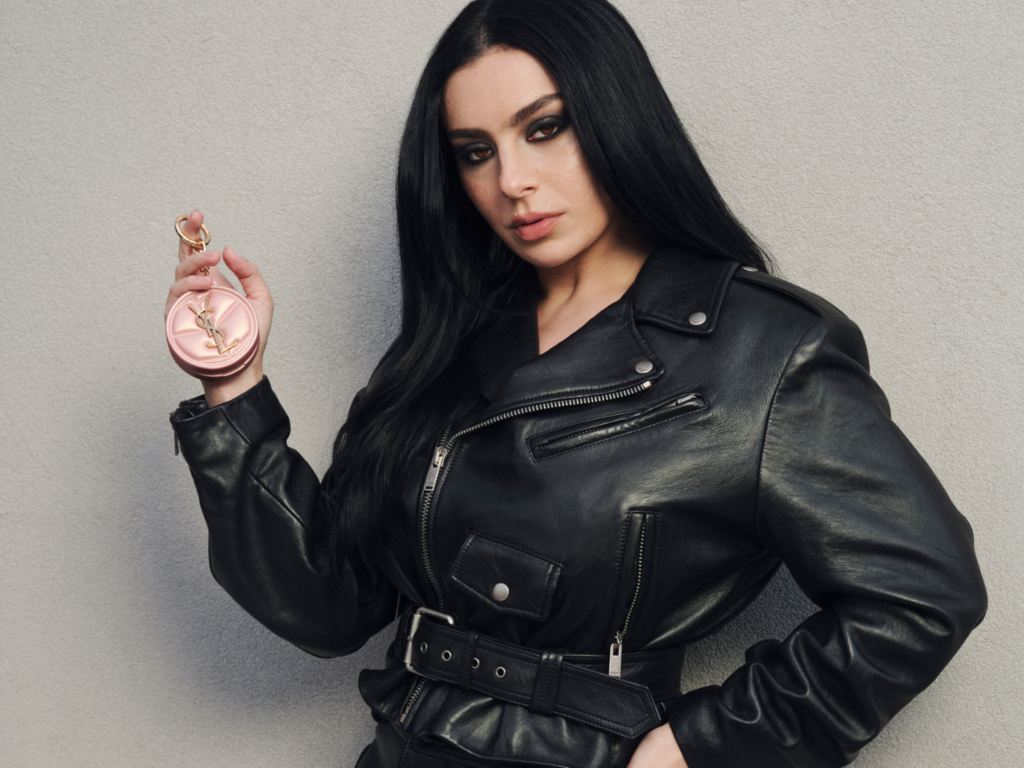
YSL Beauty is stepping into a new creative chapter with Charli XCX joining as its latest U.S. ambassador, reinforcing the brand’s focus on bold self-expression. The partnership builds on an ongoing collaboration that has already shaped a series of beauty moments, now evolving into a full campaign that blends music, fashion, and makeup artistry. Alongside fellow ambassadors Amelia Gray, Lila Moss, and Laura Harrier, Charli XCX brings a distinctly experimental energy as the brand introduces its newest complexion innovation, designed to deliver a modern, radiant finish. The campaign positions makeup as a form of transformation rather than perfection, reflecting a shift toward more expressive, emotionally charged beauty narratives that connect closely with today’s cultural landscape. (PR Newswire)
Chanel reported strong financial results for 2025, with fragrance and skin care continuing to fuel growth across its beauty division. The luxury house posted $19.3 billion in revenue alongside gains in operating profit, supported by continued investment in innovation, retail expansion, and client experience. Fragrance remained a standout category, boosted by consumer demand for Chance Eau Splendide and a high-visibility campaign featuring Belgian artist Angèle, while skincare also contributed significantly to performance. Throughout the year, Chanel expanded its global footprint with new fragrance and beauty boutiques, enhanced digital commerce capabilities, and increased focus on research and ingredient development. The results reflect the brand’s ongoing emphasis on long-term investment, creativity, and global expansion across beauty and luxury categories. (Cosmetics Business)
As prestige makeup continues to regain popularity, Coty is officially reviving Marc Jacobs Beauty with a fashion-inspired relaunch. Developed in partnership with Marc Jacobs, the collection features a tightly edited assortment of complexion, eye, and lip products designed for layering, artistry, and long wear, alongside statement packaging that appeals to today’s aesthetics. The return also signals a broader expansion of Coty’s longstanding partnership with the designer beyond fragrance, positioning the brand as a major player in prestige makeup at a time when emotional storytelling, collectibility, and creativity are increasingly shaping consumer purchasing behavior. Following its online debut, the line will expand through Sephora and key international retail channels as Coty looks to strengthen its presence in the global prestige beauty market. (Global Cosmetic Industry)
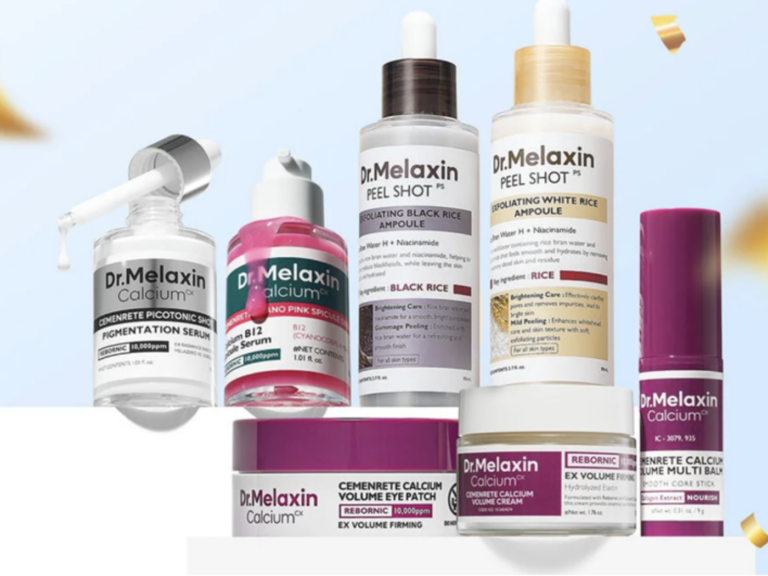
As indie beauty brands continue to navigate a competitive and fast-changing market, a wave of new investments, retail expansions, leadership moves, and strategic growth initiatives is reshaping the category. Recent developments include fresh funding for Sofie Pavitt Face, Ulta Beauty’s continued push into viral K beauty with Dr. Melaxin, and Madison Reed securing new financing to support expansion plans. At the same time, emerging wellness and beauty concepts are gaining traction across retailers, including Sprouts, Target, Walmart, Credo Beauty, and Erewhon, reflecting growing consumer interest in niche positioning spanning hormonal health, wearable wellness, acne care, and luxury natural beauty. The updates also highlight how independent brands are increasingly balancing rapid retail growth with the operational demands of scaling in today’s evolving beauty landscape. (Beauty Independent)
Scientific innovation remains a major focus across the beauty industry as brands continue to push the boundaries of skincare, haircare, and formulation technology. Reflecting that momentum, CEW and the New York Society of Cosmetic Chemists have announced the finalists for the 2026 Ingredients & Formulation Award, recognizing advances across areas including biotech beauty, longevity science, neurocosmetics, scalp health, and sustainable ingredient development. Selected by a panel of industry leaders, this year’s finalists showcase emerging technologies such as plant-based exosomes, RNA-targeted skin care, algae-derived regenerative actives, and next-generation texture systems, highlighting how cosmetic chemistry is evolving to deliver both high-performance results and more sophisticated formulation approaches. (CEW)
As wellness tracking becomes more embedded in everyday life, tech companies are increasingly competing to turn fragmented health data into something more useful and actionable for consumers. Google is now moving into that space with the rollout of its AI-powered health coach, designed to bring together information from wearables, medical records, and other digital inputs to offer more personalized guidance around fitness, sleep, and overall well-being. Built on its Gemini AI system and integrated with Fitbit technology, the tool reflects a broader shift in the industry toward making health data feel less overwhelming and more like an ongoing, easy-to-understand support system rather than a stream of disconnected metrics. (Glossy)
As activity in the global beauty industry continues to reshape ownership structures, founder agreements are playing a bigger role in deal discussions than ever before. That is becoming clear in talks involving Puig and The Estée Lauder Companies, where reported complications linked to Charlotte Tilbury’s ownership terms are said to be affecting negotiations. Since Puig took a majority stake in 2020, the agreement has included performance-based incentives and clauses tied to changes in control, which could lead to significant financial obligations if the company structure shifts. The situation shows how even established luxury beauty brands can face unexpected challenges during high-level corporate discussions when long-standing contractual terms are brought into play. (Global Cosmetics News)
To read more about these stories, click the headlines below.
YSL Beauty Unleashes New Era Of Makeup With Charli XCX
Chanel Sales Hit $19.3 Billion in 2025, Driven by Fragrance and Skin Care
Marc Jacobs Beauty Returns With Maximalist Makeup Push, Sephora Rollout and Coty Prestige Ambitions
Sofie Pavitt Face Funding, Madison Reed Debt, Laurel Supply Lineup, and More Indie Beauty Dish
Meet the 2026 NYSCC Suppliers’ Award Finalists: The Cutting Edge of Cosmetic Chemistry
Can Google Win The Wellness Data Collection Race With Its New AI Health Coach?
Charlotte Tilbury Deal Terms Reportedly Complicate Estée Lauder-Puig Merger Talks
MEMBERS ONLY: Members can click here to be considered for our bi-monthly Member Spotlight, where we highlight standout work, achievements, and contributions across the community.